
Adjusting to life with a new smile can be an exciting journey, but it often comes with a learning curve, especially during mealtime. Many people find that their favourite foods suddenly feel difficult to navigate, or they worry about their appliance shifting at the dinner table.
This transition is completely normal. Learning to eat with a prosthetic requires patience as your cheek muscles and tongue adapt to the new shape in your mouth. By following a few simple strategies, you can regain your confidence and enjoy a wide variety of flavours without discomfort.
How Should You Start Your Journey With New Dentures?
The first few weeks are all about easing into the process. Your mouth needs time to build “muscle memory” to keep everything in place while you chew. If you are currently wearing dentures in Langley, you might find these initial steps helpful:
- Stick to Soft Foods: Start with eggs, yogurt, and mashed vegetables to avoid putting too much pressure on your gums.
- Take Small Bites: Cutting food into tiny, bite-sized pieces makes it much easier to manage.
- Chew on Both Sides: Distribute food evenly on both sides of your mouth to keep the pressure balanced.
- Avoid Sticky Items: Avoid caramels or gummy breads that can pull the prosthetic away from the gum line.
What Are The Best Ways To Manage Tough Or Crunchy Foods?
As you become more comfortable, you will naturally want to reintroduce firmer foods; the secret lies in preparation. Many people searching for dentures near you find that minor adjustments to their cooking style make a world of difference.
Instead of biting directly into a whole apple, try slicing it into thin wedges. For meats, opting for slow-cooked portions like stew is much easier than attempting a thick steak. If you enjoy steak, cutting it across the grain into thin strips can help you chew more effectively without straining your jaw muscles.
Why Is The Fit Of Your Appliance So Important For Eating?
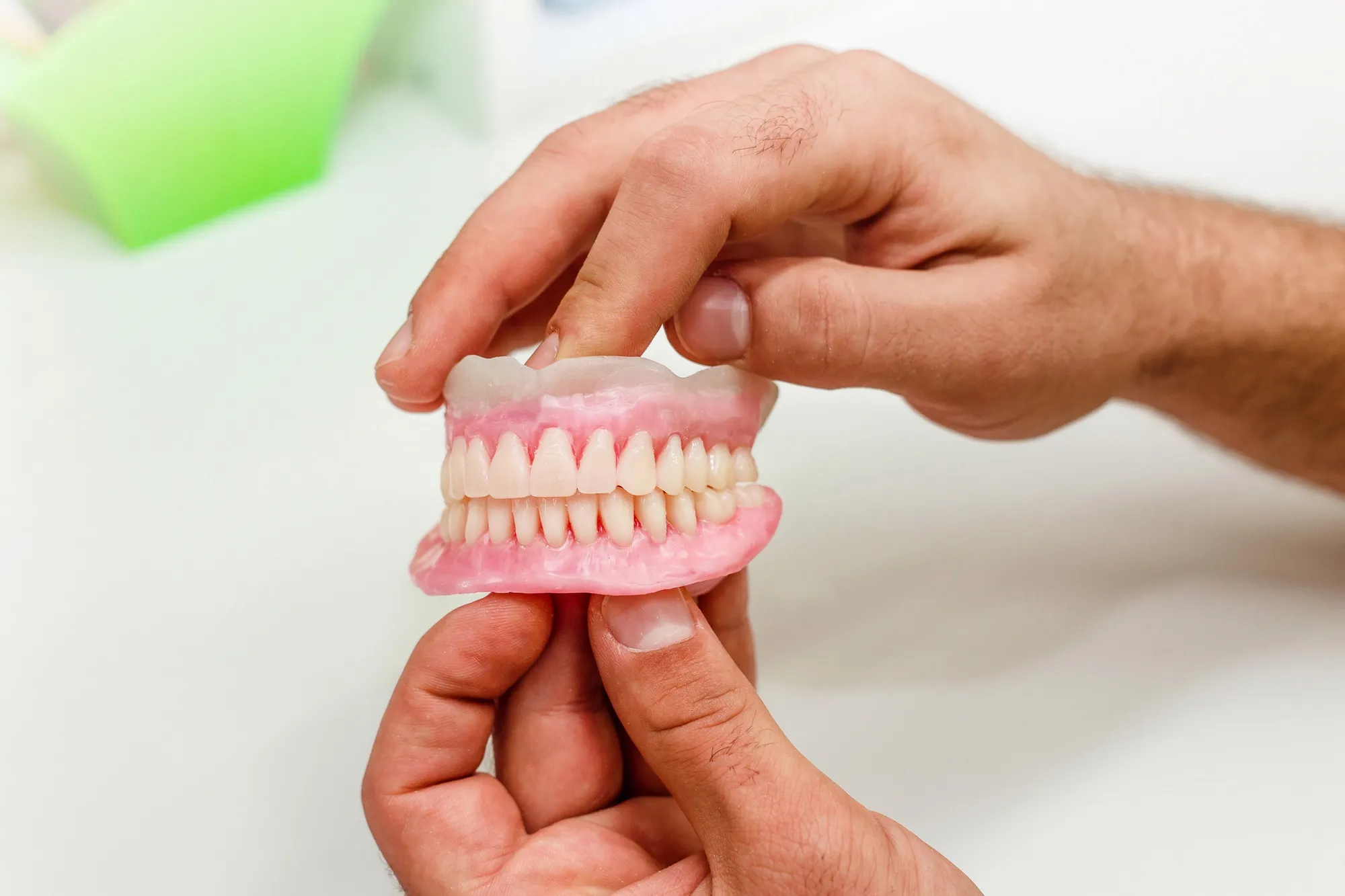
Comfort starts with a precise foundation. If your prosthetic is loose, no amount of careful chewing will make eating easy. A dentist in Langley can evaluate your current fit to determine whether an adjustment or reline is necessary. Over time, the shape of your jawbone changes, which can cause once-perfect dentures to become unstable.
Using a small amount of dental adhesive can provide extra security, but it should never be a permanent fix for a poorly fitting appliance. Regular check-ups ensure that your prosthetic stays snug, protecting your gums from sores and making every meal a pleasant experience.
How Do Modern Dental Solutions Help With Chewing?
If you have struggled with traditional options for a long time, consider custom-fit full and partial dentures for more comfortable chewing.
Modern technology allows for a much higher level of detail in the design process.
- Improved Suction: Better base materials create a stronger seal against the palate.
- Partial Stability: Metal or tooth-colored clasps help anchor partials to your remaining natural teeth.
- Natural Materials: High-quality resins mimic the “grinding” ability of natural enamel.
- Lighter Weight: Newer materials are strong yet thin, leaving more room for your tongue to move.
What Role Does Daily Maintenance Play In Comfort?
A clean appliance is a comfortable one. Plaque and food debris can build up, leading to gum irritation that makes chewing painful. It is essential to brush your prosthetic daily with a soft-bristle brush. Soaking them overnight keeps the material pliable and prevents warping. When your gums are healthy and free from inflammation, you have a much more stable base for your dentures in Langley, allowing you to focus on your food.
When Should You Seek Professional Help For Adjustments?
If you notice persistent sore spots or a “clicking” sound when you eat, it is time to visit a dental clinic near you. Professionals can identify exactly where the pressure points are and smoothen them out. Sometimes, a tiny adjustment of a few millimetres is all it takes to transform a frustrating meal into a comfortable one. Never try to bend or file your prosthetic at home, as this can cause permanent damage.
Enjoying the Flavours of Life
Regaining your ability to eat comfortably is a major milestone. With a little time and the proper techniques, you can move past initial challenges and return to the social joy of sharing a meal. A stable, well-fitted smile is the key to both physical health and confidence.
At Platinum Dental Care, we are dedicated to ensuring your smile feels as good as it looks. Our team takes great pride in crafting solutions that offer the stability and comfort you need to live life to the fullest. We understand the challenges of adjusting to new dental appliances and are here to provide the support and adjustments you need for success.
Contact us today to schedule your consultation and rediscover the pleasure of your favourite foods.
👉 Take the first step toward a complete, confident smile. Get directions to Platinum Dental Care today.
Frequently Asked Questions
- Why does my denture lift when I try to chew?
This happens if you chew only on one side; try distributing the food to both sides of your mouth to keep the appliance balanced.
- How long does it take to eat normally again?
Most patients find it takes about 4 to 8 weeks for the cheek and tongue muscles to fully adapt to the new appliance.
- Can I drink hot coffee or tea with my dentures?
Yes, but be careful, as the prosthetic can insulate your mouth, making it harder to sense the heat until the liquid reaches your throat.
- Is it okay to use a lot of adhesive to help me chew?
Adhesive should be used sparingly; if you need a lot to keep them in place, you likely need a professional reline.